英文科

本科目標及課程特色

本科目標

1. Promote values education and foster students' humanistic literacy.

2. Use e-learning to strengthen interactive learning, improve classroom participation and feedback and further learning outcomes.

校本課程特色

1.Literature Curriculum

LevelTermName of BookletText Type
P. 21st Term
  1. Non-fiction: Leaflet
  2. Fiction: Comics
  • Leaflet
  • Comics
 2nd Term
  1. Fiction: Chants
  2. Fiction: Riddles
  • Chants
  • Riddles
P. 31st Term
  1. Non-fiction: Recipe
  2. Non-fiction: School Notice
  • Recipe
  • School Notice
 2nd Term
  1. Fiction: Fable
  2. Non-fiction: Diary Entry
  • Fable
  • Diary Entry
P. 41st Term
  1. Hobbies Are Fun
  • Poem
 2nd Term
  1. The Museum
  • Recount
P. 51st Term
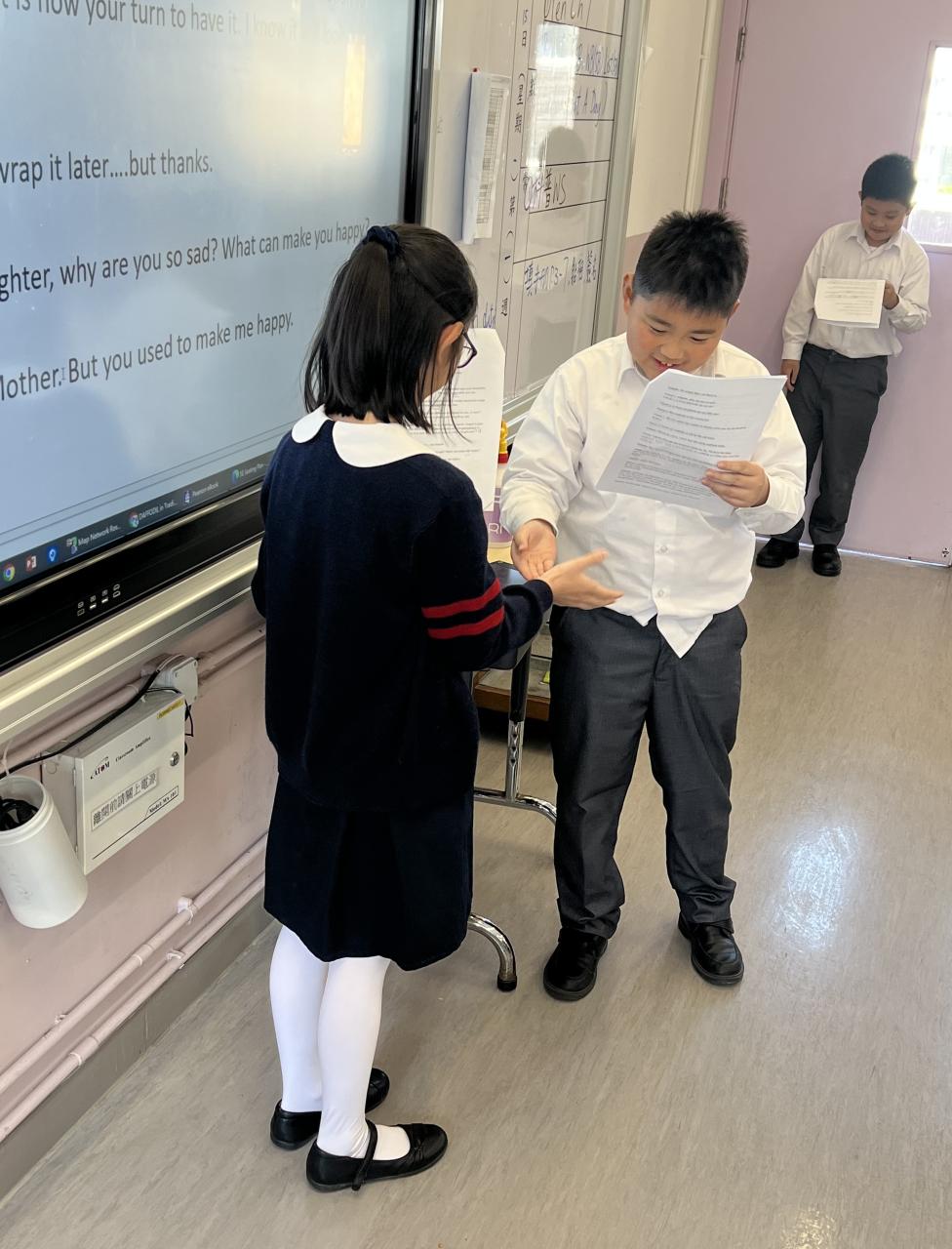
  1. The Unhappy Princess
  • Play
 2nd Term
  1. The Elves and the Shoemaker
  • Narrative
P. 61st Term
  1. Tom the Turkey
  • Play
 2nd Term
  1. The Umbrella
  • Narrative
  • Reading and writing based
  • Tailored to the themes of the textbooks for each grade level
  • Differentiated for different levels to cater for learner diversity
  • Student-based booklets allowing for whole class and independent learning
  • Involving the use of engaging texts to stimulate student interest
  • Catering for different learning styles
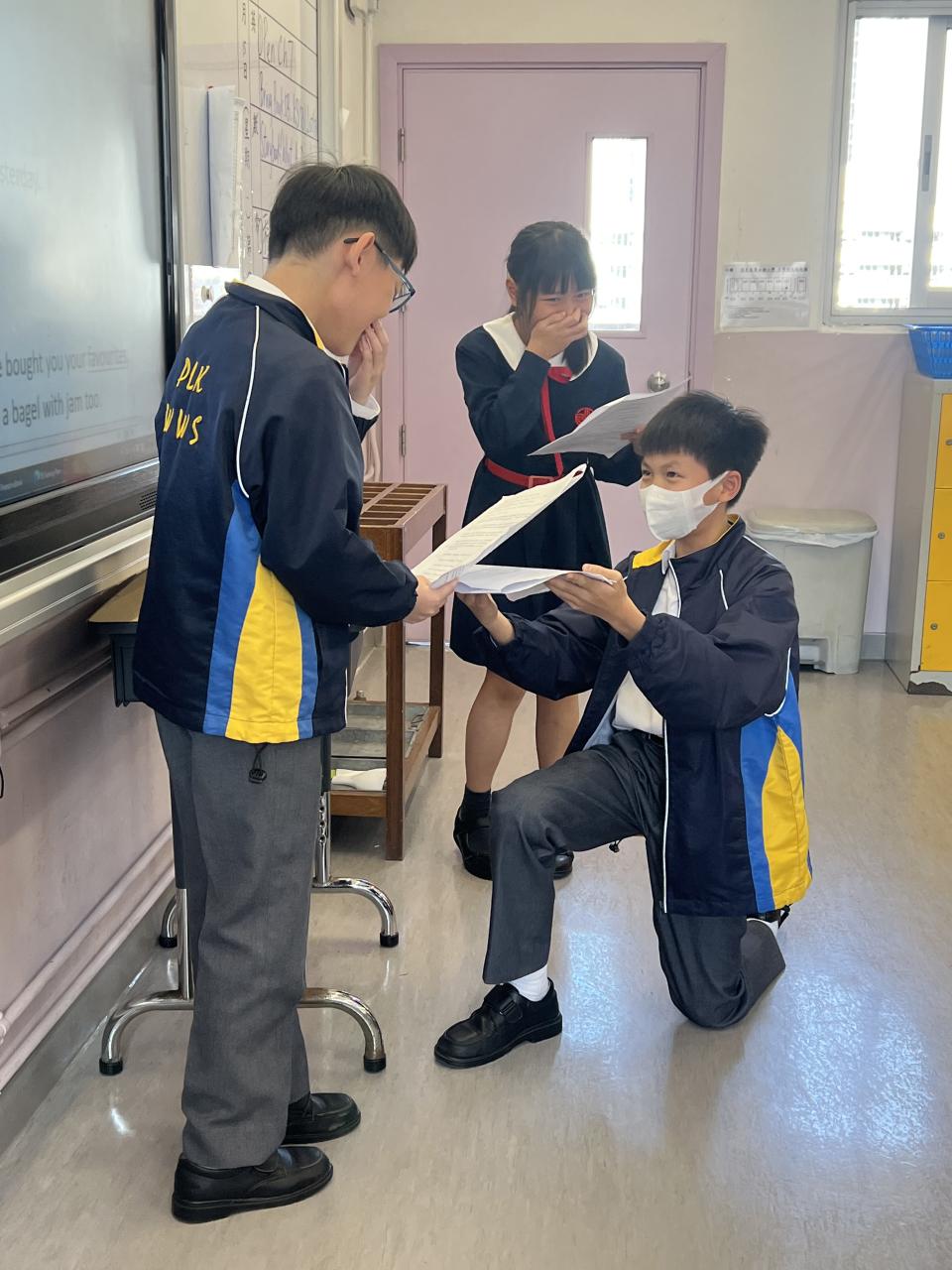
  • Allowing for many opportunities for discussion, questioning and speaking

2.Reciprocal Reading and Phonics Curriculum for Key Stage 1
(i)    Reciprocal Reading Strategies
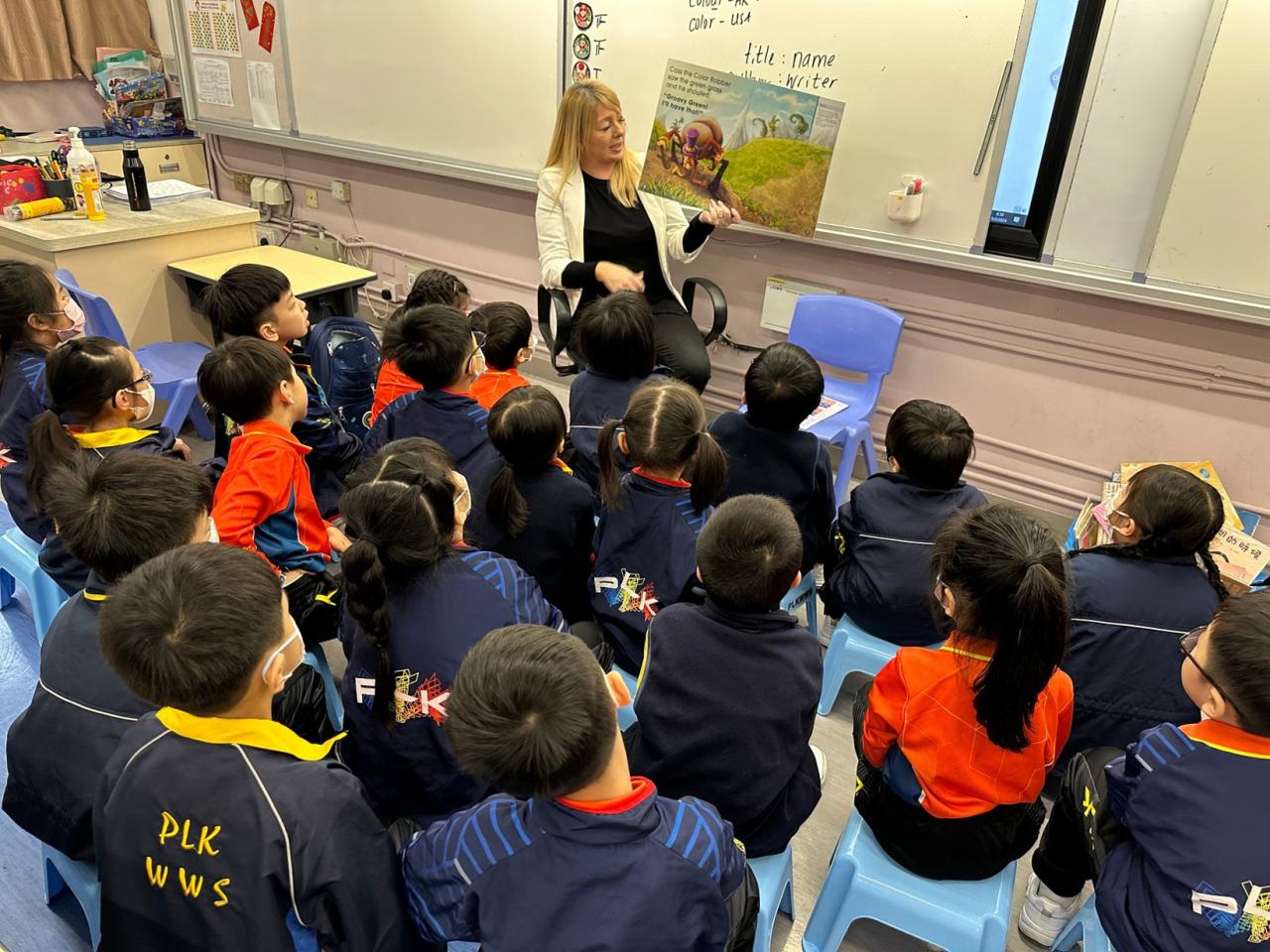
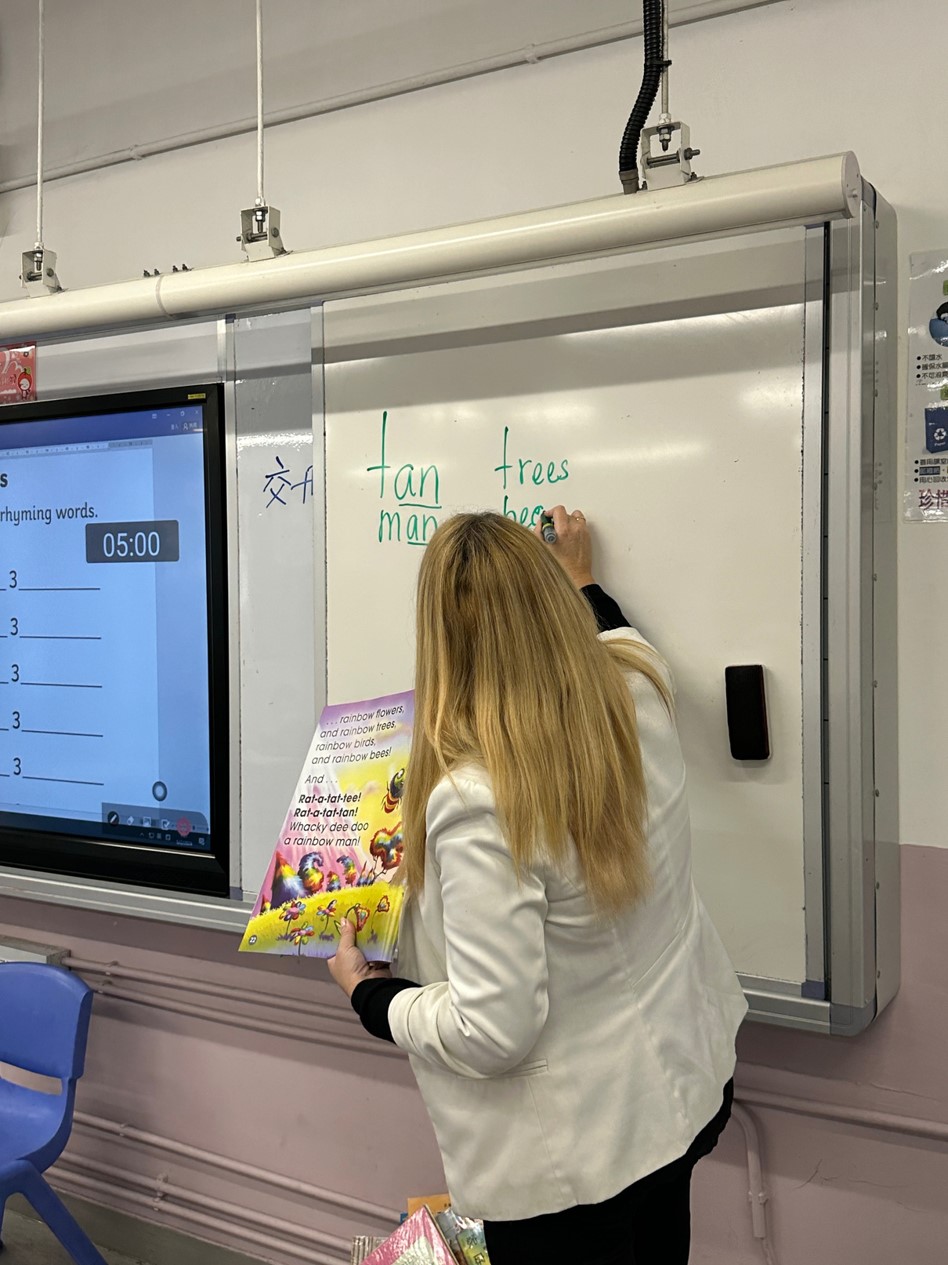
-    Big book based curriculum 
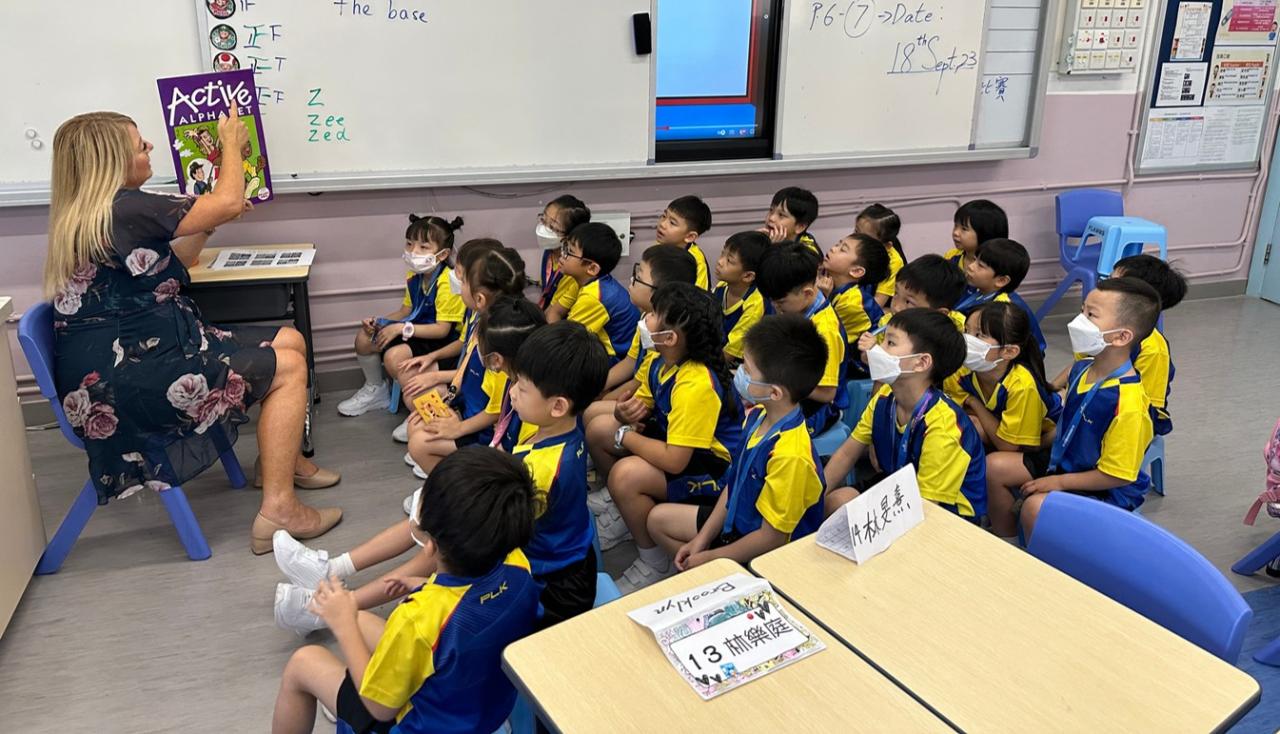
  • Reading ‘to, with and by’ students
  • Reciprocal Reading main strategies used to discover texts and stimulate learning: 
    Questioning; Predicting; Summarizing; Clarifying 
  • Discussion and question based
  • Provision of many opportunities for speaking 
  • A variety of rich and engaging texts and text types
  • Catering for different learning needs and styles


(ii)    Phonics Curriculum

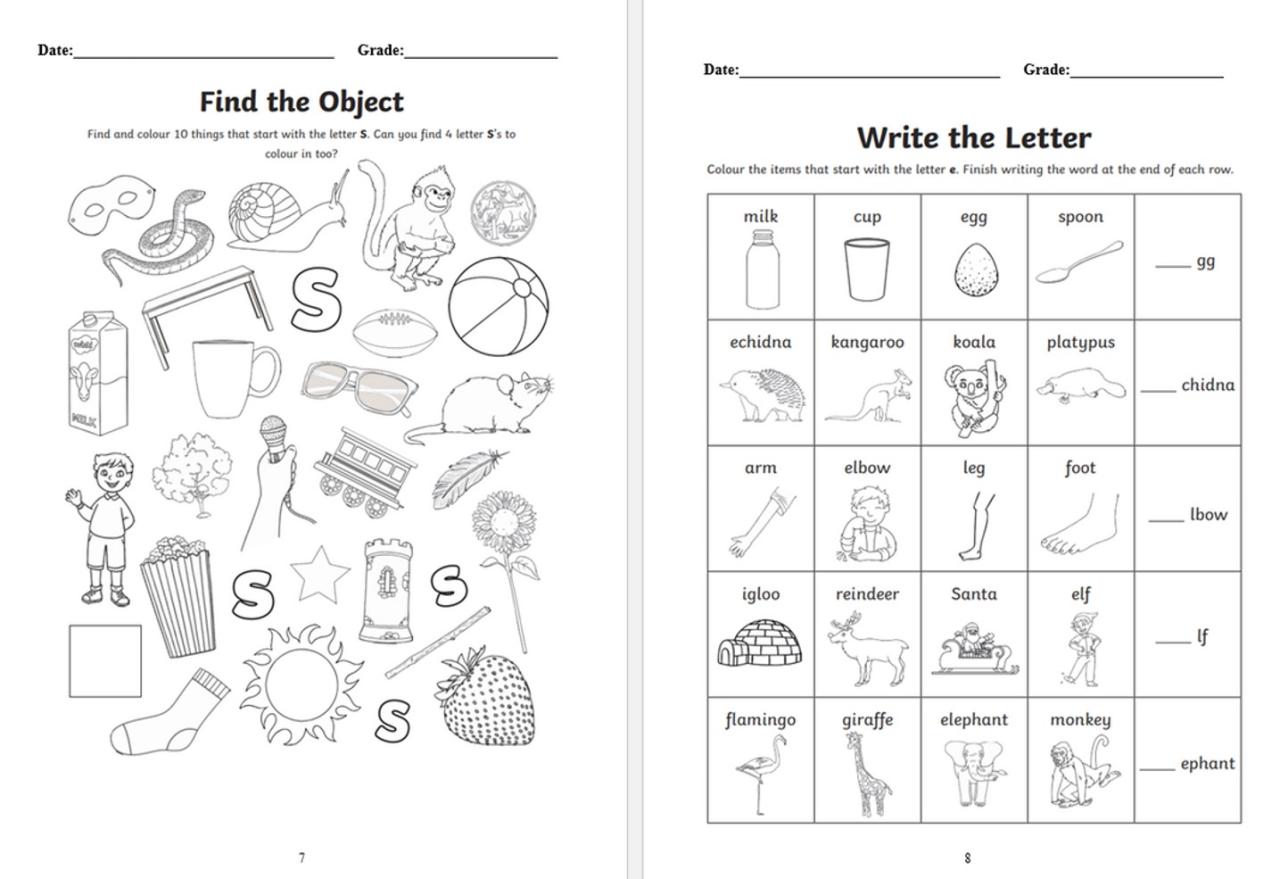
  •  Student booklet based
  • Alphabet focus
     
  • Learning through songs and actions
  • Phonics-based around a systematic and synthetic phonics approach: blends, graphemes and phonemes
  • Provision of reading, writing, listening and speaking opportunities
  • Connected to big book focus
  • Emphasis on learning to read and write fluently
  • Two booklets in the First and Second Terms respectively

3. English Cross-curricular Learning
 

LevelTheme & Type of Activities
P. 1

Theme: Love

Activity: Reading a big book ‘I Love Family’ and creating small booklets

P. 2

Theme: Respect

Activity: Writing school rules and designing posters

P. 3


Theme: Diligence

Activity: Writing thank-you cards on self-made sunflower drawings for parents or friends

P. 4

Theme: Honesty

Activity: Writing the experience of striving for strength to bring out its importance

P. 5

Theme: Kindness

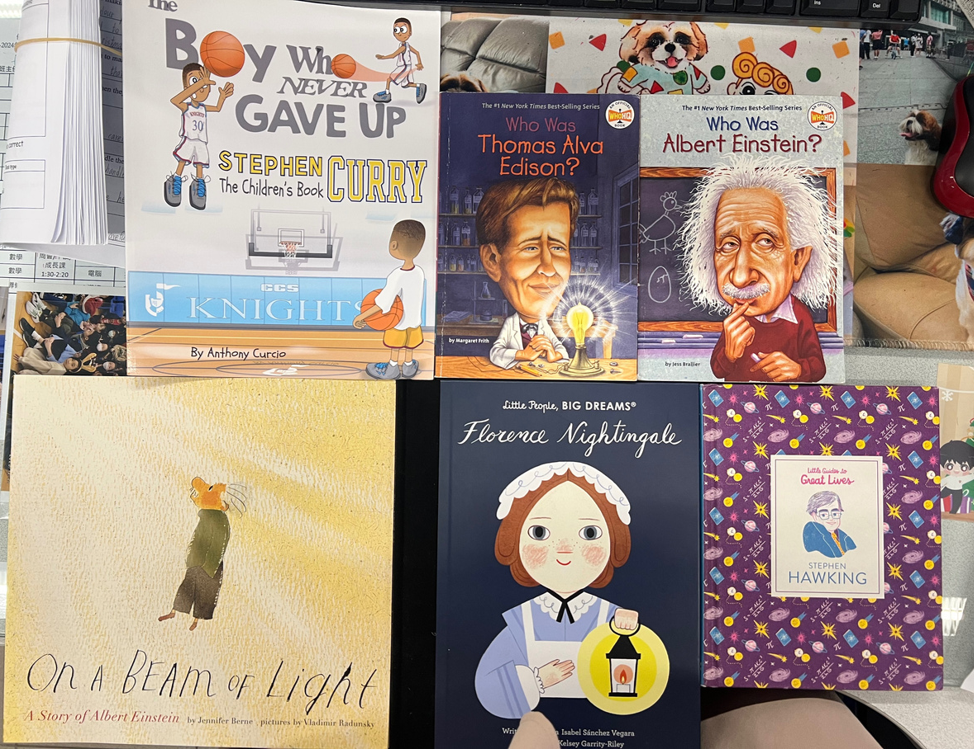
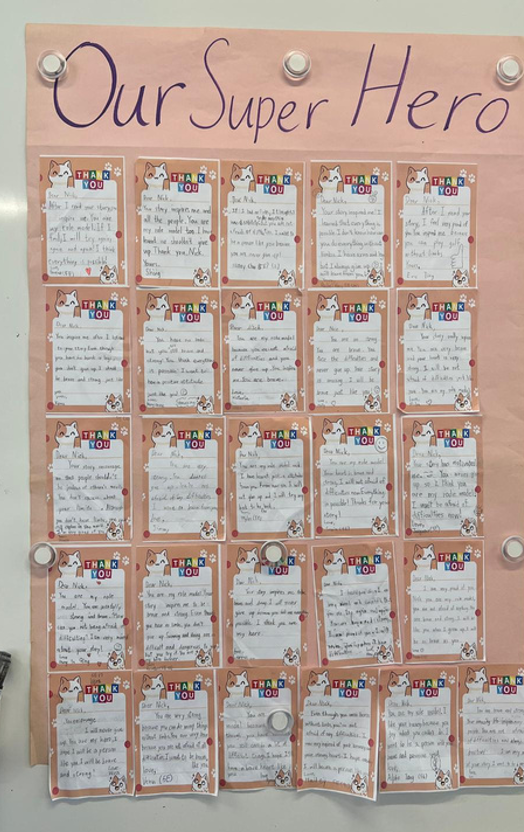
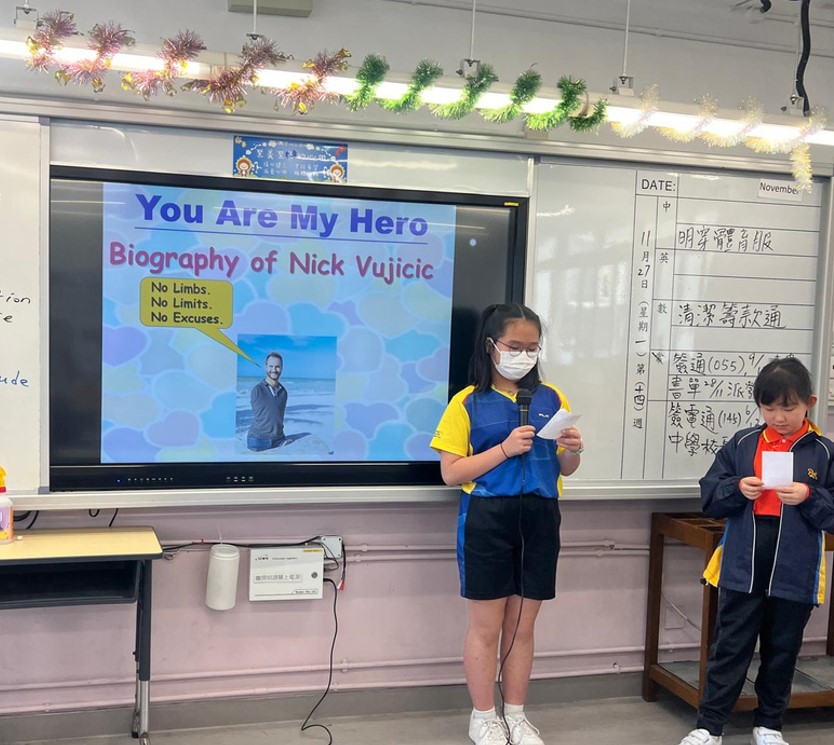
Activity: Analyzing the personality traits of celebrities by reading struggle stories followed by writing appreciation notes

P. 6

Theme: Po Leung Spirit

Activity: Using ‘Who am I’ as the theme, write a self-introduction to know oneself, from examining the present to looking forward to the future

  • Cross-curricular thematic learning
  • Tailored to the themes of the big books or textbooks for each grade level
  • Aligning a variety of themes with different kinds of activities to make learning meaningful
  • Cultivating students’ relevant values and learning attitudes
    Promotion of positive and values education through activity engagement